

We hope this article will reveal the true nature of Venice today. The island city, which once ruled the seas and is now a popular tourist destination, is just the tip of the iceberg of a complex, urbanised city spread across various islands and the mainland.
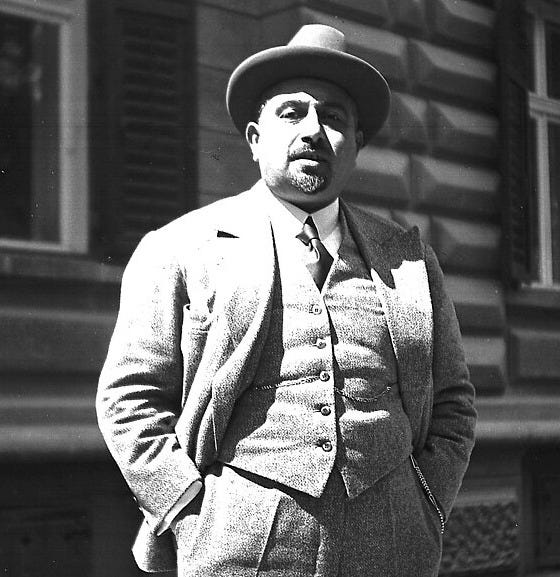
This would not have been possible without Giuseppe Volpi, Count of Misurata, who exploited his position within Mussolini’s government in the 1920s and 1930s to revolutionise the Venetian lagoon forever.
In the Italian historical and political landscape, the period of fascism is still a taboo subject. There is a tendency to demonise any work accomplished by the regime and to find a perverse plan behind it at all costs. This is because Italy has not yet come to terms with that period in its history. Today, the country lives with the contradiction of having inherited the infrastructure, state apparatus and nationalist rhetoric of the fascist regime, while also having an institutional structure that distances itself from it.
As Venetians, not Italians, we note that in the 20th century, a Venetian was able to climb the ranks and make his fortune, reviving a city that had exited history through the back door and bringing it back to a central role in the country’s economic policy and international culture.
Who was Giuseppe Volpi?
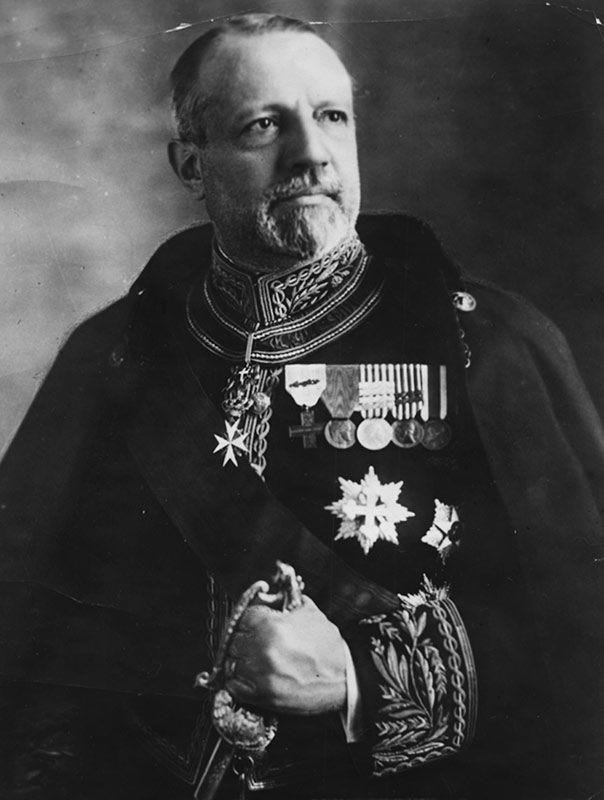
Giuseppe Volpi of Misurata (Venice, November 19th 1877 – Rome, November 16th 1947) was one of the most influential businessman and statesmen of Kingdom of Italy in the early 20th century.
Graduated in civil engineering from the University of Padua, after early ventures in trade and finance across the Adriatic and the Balkans, he helped build Venetia’s modern economic infrastructure, most notably through the electricity sector and the creation of the Società Adriatica di Elettricità (SADE) in 1905. The latter is, unfortunately, now best known for the Vajont disaster of 1963, which we have written an about in a dedicated article:
Vajont

The destruction of the village of Longarone and the subsequent massacre of its inhabitants by an immense mass of water overflowing from the dam above it on the evening of 9 October 1963, known as the ‘Vajont Disaster’, undoubtedly represents the greatest environmental and engineering disaster in the recent history of Veneto.
Thanks to the network he had built up over the years in the Balkans by combining diplomatic activity with business, Volpi played a key role in the peace treaties following the Italo-Turkish War of 1912. This approach placed him in the diplomatic tradition of the Venetian Republic as a 20th century bailo (a permanent ambassador abroad), which may also have influenced his future actions.
In the wake of World War I he was the mastermind of linking Venice’s future to a developing industrial-port system on the mainland: Porto Marghera. Volpi then entered the Fascist state apparatus, serving as Governor of Italian Tripolitania (1921-1925), where he got the title of Count of Misurata, and was later appointed Minister of Finance (1925-1928), overseeing policies aimed at monetary stabilization and Kingdom of Italy’s financial repositioning in the international arena.
From the end of the 1920s he also occupied prestigious civic-cultural roles in Venice, becoming a leading figure of the Biennale’s expansion into a multi-disciplinary institution and promoting the launch of the Venice Film Festival in 1932—hence the Volpi Cup prizes bearing his name.
After 1943, amid the regime’s collapse and ensuing proceedings, he spent time in Switzerland before returning to Italy in 1947, when he died in Rome.
The Giudecca’s Industrial District
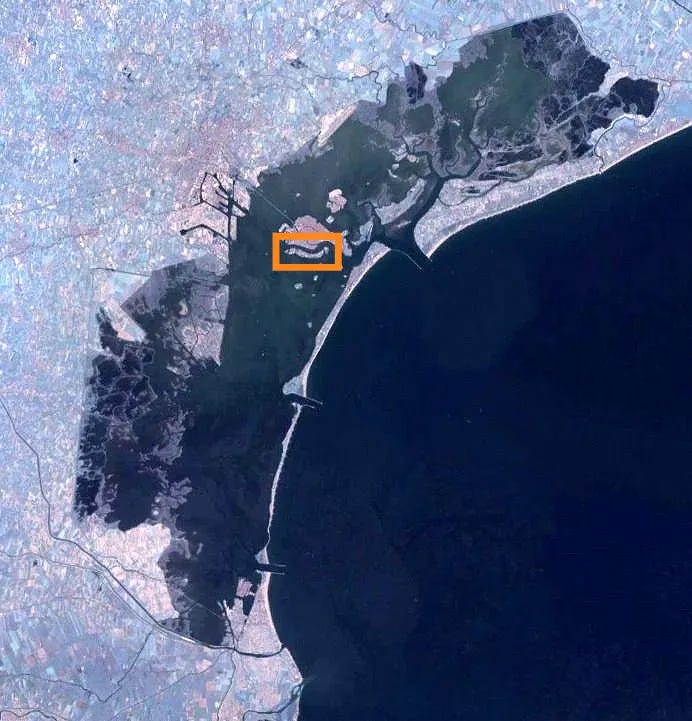
First of all, we must forget the idea of Venice as a ‘frozen’ city after 1797, when the Venetian Republic ended. From the late 19th century into the early 20th century, Venice was an industrial city. By 1927, Venice became the 8th industrial hub in Italy, with 4,411 establishments and 39,180 workers.
This productive Venice had its own native method: the water–factory–water model, in which raw materials arrived by canal, entered the plant and left again by water. Mołino Stucky is emblematic of this model: a colossus capable of milling up to 250 tons of grain per day using a logistics system tailored to a water-based city.
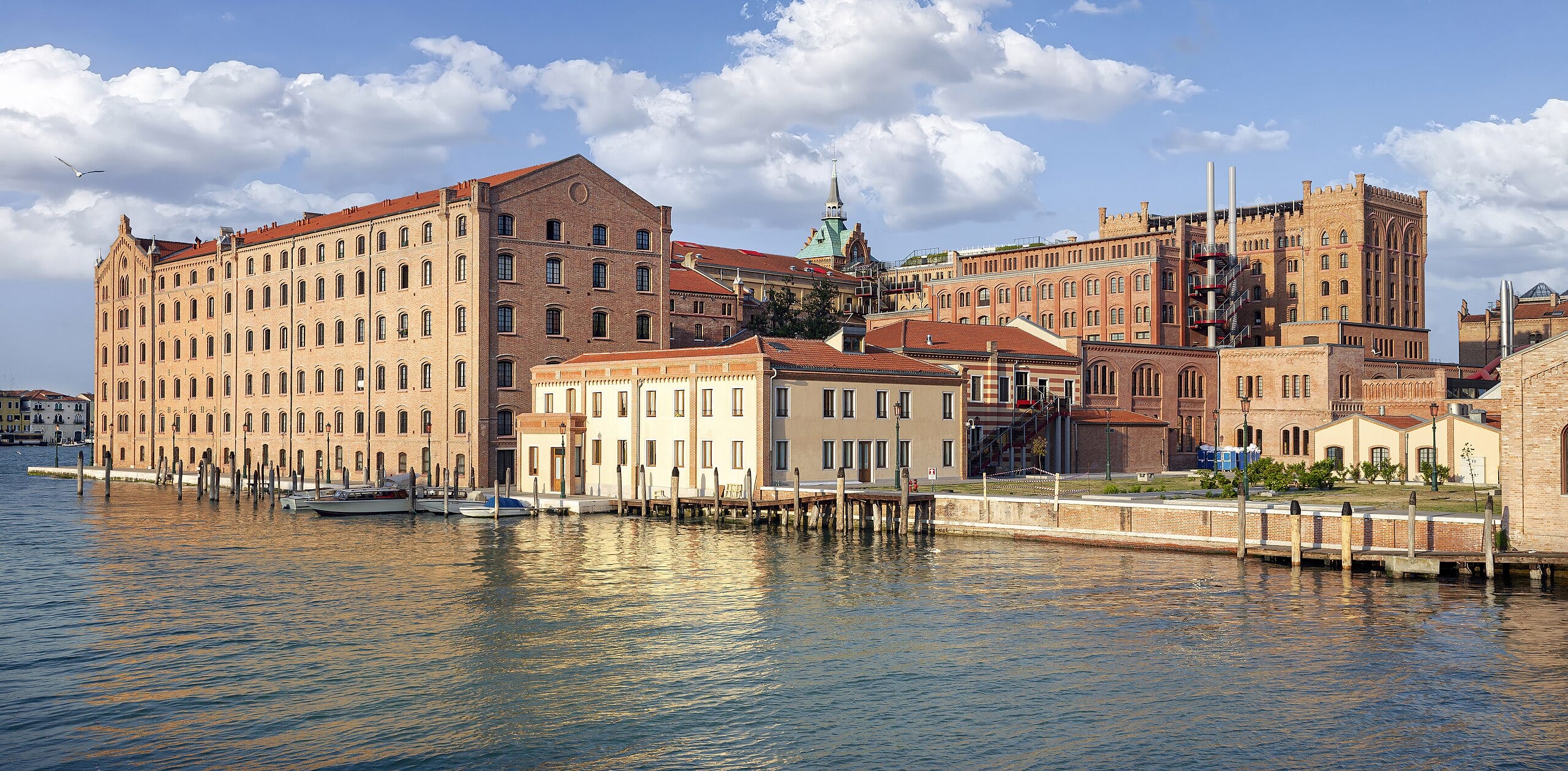
Along those same watery arteries, other continental-scale enterprises emerged: Junghans, one of Europe’s largest watch factory at that time; a brewery producing one of Italy’s first national lager brands; cement works; shipyards; and mechanical workshops. A real industrial district with a strong social and different political imprint from the rest of the city.
It is on this dual basis that Volpi builds his vision: to preserve and enhance ‘old’ Venice, while creating a ‘new’ Venice alongside it, driving the city towards modernisation.
XIX Century’s Highlights
Napoleonic Era
After 1797, Venice’s essence was abruptly rewritten: no longer the capital of a sovereign republic, with institutional buildings and offices, but the rulers’ “summer residence” of a larger empire. This is most visible in the Casteo district, where the city’s fabric was cut open and straightened. The broad, rectilinear axis that would later become Garibaldi Street emerged from Napoleonic works that buried the old Rio de San Domenego.
The famous Arsenal was first emptied of all its equipment, then redeveloped and used for the construction of ships and small lagoon transport vessels, such as gondolas.
The Arsenal of the Republic

The Arsenae, the jewel of Venice's naval industry, perhaps the pinnacle of Venetian ingenuity, allowed them to project their own interests and punch above their weight over an area much larger than their land base would otherwise have allowed.
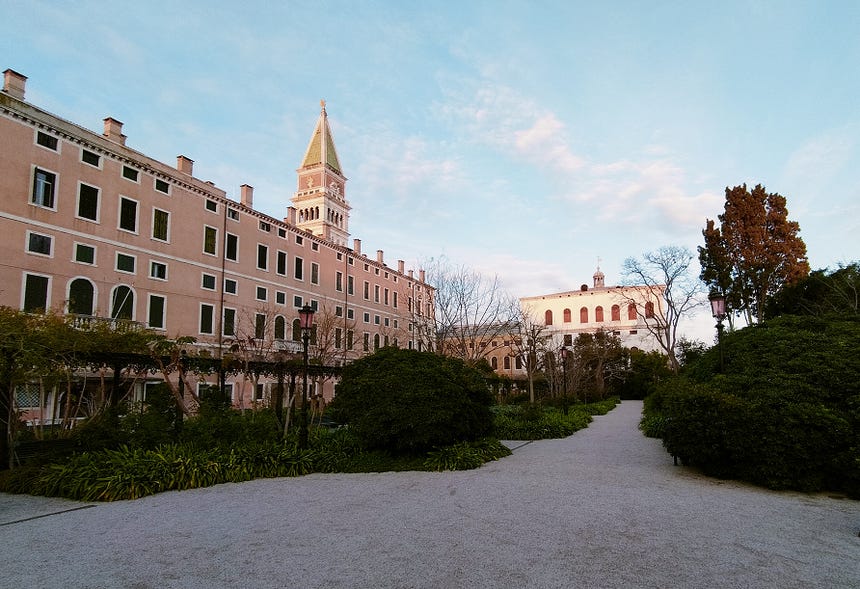
Nearby, the Napoleonic Gardens, conceived by decree in 1807 and designed by the Venetian neoclassical architect Zuan Antonio Selva. They’ve been carved out through demolition of several churches and private buildings and inaugurated in August 1810, later becoming the verdant stage for the Bienałe’s national pavilions.
Even Piasa San Marco, the symbolic core of the Republic, was transformed: the Palaso Reałe was created by unifying and repurposing the Procuratìe Nove and demolishing San Geminiano’s church, thereby converting civic space into courtly frontage.
Austrian Era
Under the Kingdom of Lombardy-Venetia, Venice was among the cities that introduced gas street lighting early on: it began in 1839, as a transition from oil to a more modern network, with an immediate impact on the city’s nightlife.
Another structural turning point was the arrival of the railway. Completed in 1846, the railway bridge/causeway across the lagoon formed part of the line linking Venice to the wider rail network of Northern Italy and Central Europe. This development transformed Venice logistics, providing the city with a regular land-based connection in addition to its traditional maritime access.
The gateway to the city is no longer the columns of St. Mark’s Square, but the modest San Giobbe station, built in the cramped space near the church of the same name.
Miozzi: the Engineer
Let’s get back to XX century, where the approach to city infrastructure changes once again.
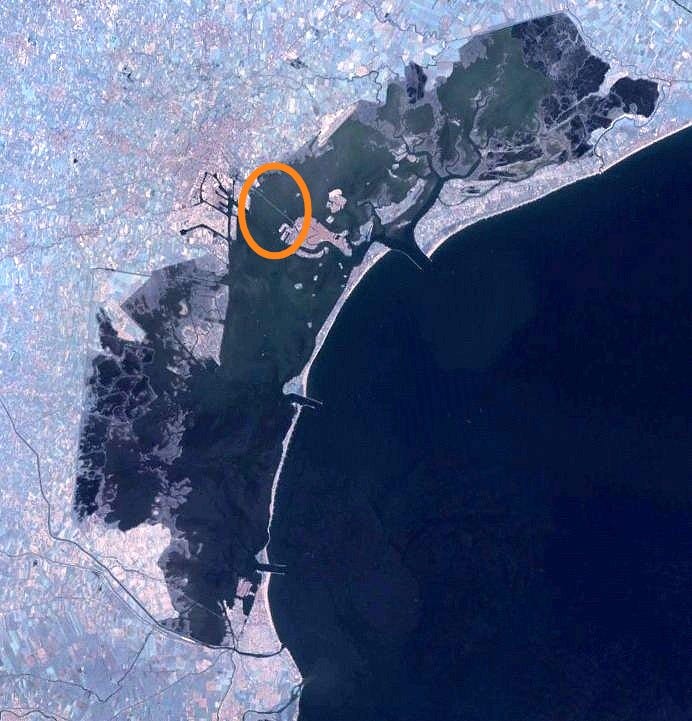
To expand the city of Venice, Volpi’s plans called for the expansion of the islands that made up the city, using embankments or palisades in accordance with lagoon tradition. Having shelved the ambitious project to connect the city to the mainland via a monumental embankment starting from Casteo District (the Arsenal’s), which would have disrupted the delicate balance of tides that prevents the city from flooding (and Volpi’s finances), the city began to expand from its outskirts, with Rio Novo and Piasałe Roma.
While Volpi is the political and financial mastermind, Venice expansion in the 20th century also had a technical director: Eugenio Miozzi, the municipality’s chief engineer. His interventions are now considered a ‘natural’ part of the city.
The logic behind these works is: modernity should reach the edge of the historic city, but not cross it.
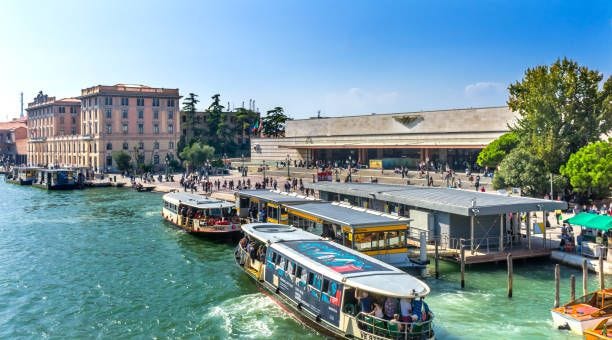
Next to this new complex, the Venice Santa Lucia railway station was built in the 1920s. Its name comes from the area of the former Santa Lucia’s church, which was affected by demolitions connected to the expansion of the rail network.
The railway’s current appearance is the result of further expansion work carried out in 1950. Its position on the edge of the Grand Canal, as a direct interchange point, with passengers shifting from rail to water transport (vaporeto lines, water taxis and ferries) without any continuous internal road network.
The second major wave of infrastructure development designed by Miozzi is tied to motorisation. Between 1931 and 1933, the road bridge across the lagoon was built and inaugurated as the Ponte Littorio (Littorian Bridge) in 1933, later being renamed the Freedom Bridge after World War II. This road bridge runs alongside the railway, consolidating everyday terrestrial access and increasing the city’s entry capacity for private vehicles and public transport.
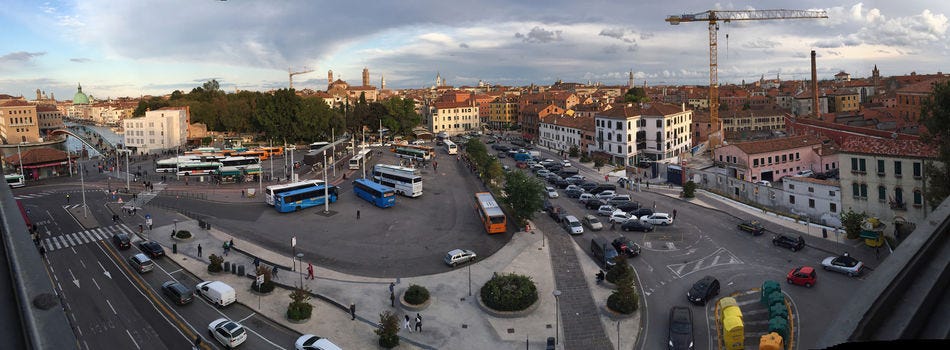
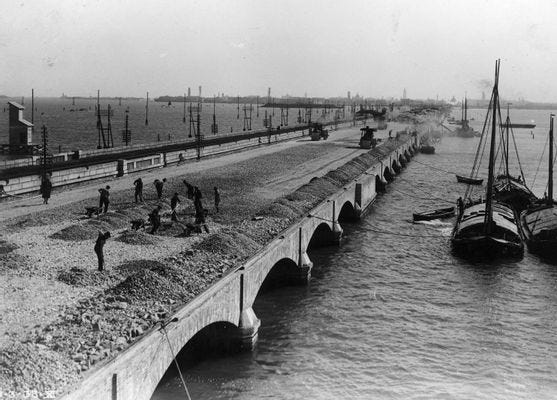
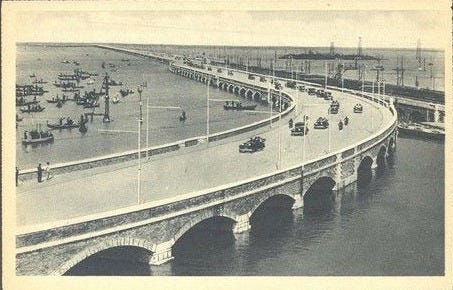
But a key constraint was kept: the historic city could not be crossed by vehicles. Hence, Piasałe Roma was built: a road terminal and interchange node: it marks the point at which road traffic stops and people continue on foot or by water. In practice, Piasałe Roma acts as a technical threshold for modern access, concentrating buses and taxis and providing parking, while distributing traffic into the historic city via pedestrian routes and water services.
Rio Novo is the complementary intervention inside the city. Construction began in 1931 and the resulting artificial canal was created to rationalise water links and improve the distribution of flows between Piazzale Roma and the city’s main internal corridors, reducing reliance on the older, more tortuous network of minor canals. As it was engineered, Rio Novo entailed significant urban transformations, such as straightening and widening the canal and localised demolitions, and it stands as one of the clearest examples of 20th-century infrastructure inserted into Venice’s historic fabric.
Marghera
Porto Marghera began as a deliberate act of engineering and statecraft: to give Venice a modern, continental engine of industry and logistics, built on dredged land and navigable industrial canals, tied to rail and road.
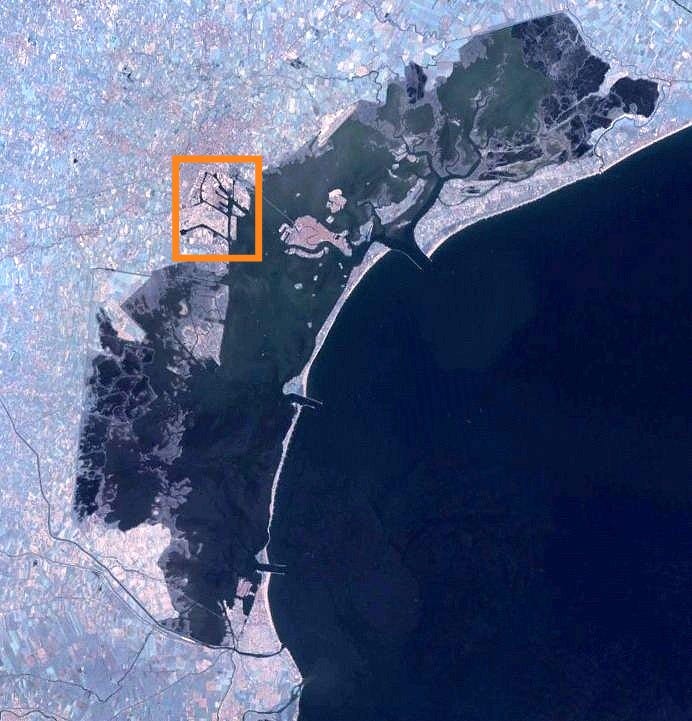
Porto Marghera was established the 23 July 1917, during the Great War. Volpi established a syndicate to conduct studies and presented a project for an industrial port, which was funded by Rotschild Bank. Construction began in 1917, slowed after the italian defat in Caporeto, and resumed in 1919.
The Great War in Venetia - a region sacrificed

This article is based mainly (but not exclusively) on Bruno Pederoda’s Tra macerie e miserie di una regione sacrificata. Veneto 1916–1924 (“Amidst the ruins and misery of a sacrificed region. Veneto 1916–1924”), and is intended as a summary of it.
In 1922, the straight access route between the Maritime Station and the industrial area, the Vittorio Emanuele III Canal, was inaugurated. According to a historical encyclopaedic source, it is roughly 4,100 metres long, 70 metres wide at the surface and 10 metres deep - an infrastructure designed to accommodate a new scale of traffic and ships in the lagoon. Navigation was officially opened to traffic in 1925.
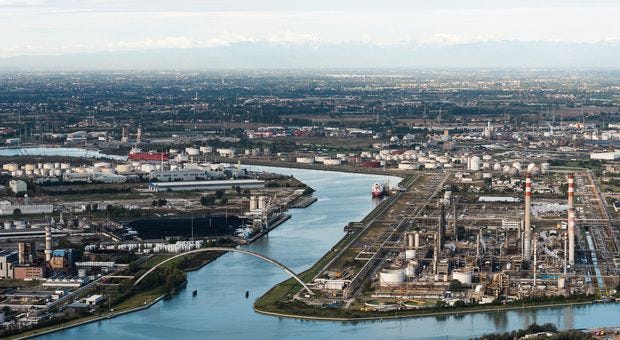
Between 1920 and 1928, 51 plants were established in Marghera in sectors defining the century’s heavy industrialisation: metallurgy, chemicals, mechanics, shipbuilding, petroleum and electricity.
By 1928, Venice had become Italy’s second port, handling an estimated 2.8 million tons of cargo - a figure that finally makes the word ‘metropolis’ feel concrete when applied to Venice.
The missing “Garden City”
In 1919, engineer Pietro Emilio Emmer developed the idea of a residential area inspired by the “garden city” model: a green neighbourhood designed for the workforce of the new industrial area. According to local and popular sources, work began in the early 1920s, but the project was soon slowed down and never actualized.
Lido’s Luxury Hotels
Before building Porto Marghera, Volpi concentrated his efforts on the Lido, the strip of land separating the historic city from the Adriatic Sea.
This allowed him to attract VIPs back to the city, making it no longer just a destination for adventurers and artists, but also for the wealthy bourgeoisie always on the lookout for new investments.
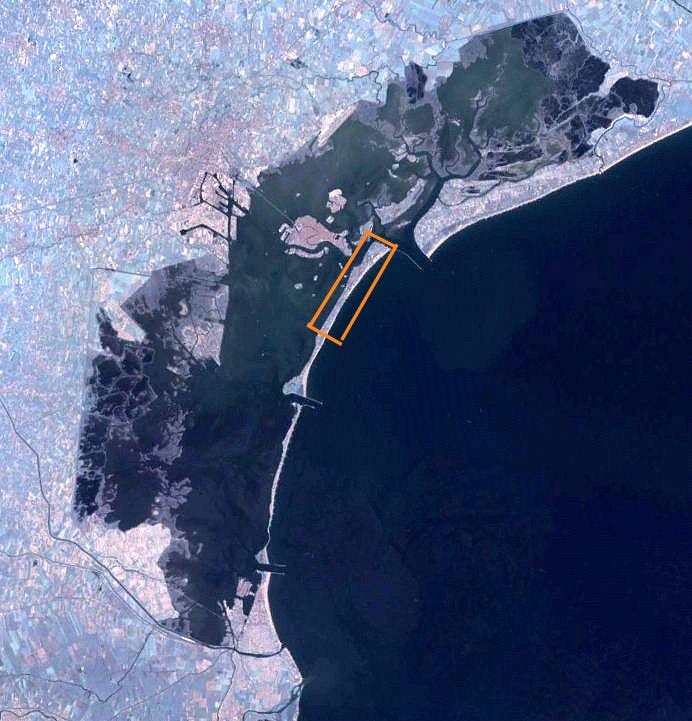
Once a fishing village, the Lido was reinvented as an international destination, complete with bathing companies, dedicated transport links and fashionable amenities. It was a long transformation, but within a few decades the Lido had become a brand. The press of the time even referred to it as the ‘Island of Gold’.
A change of scale came in 1906 with Compagnia italiana grandi alberghi (CIGA), the major luxury hotel chain of which Volpi was one of the founders: not just one hotel, but an integrated system of capital and reputation. This tourist hotel branch is an integral part of the ‘Venetian group’ and highlights a striking figure: Italian Commercial Bank entered the operation with a significant share (nearly 20%) of the initial share capital.
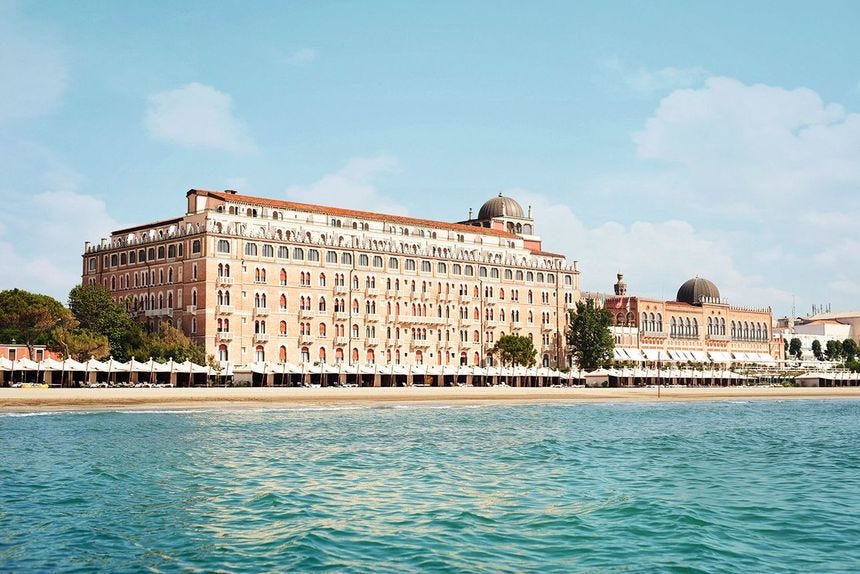
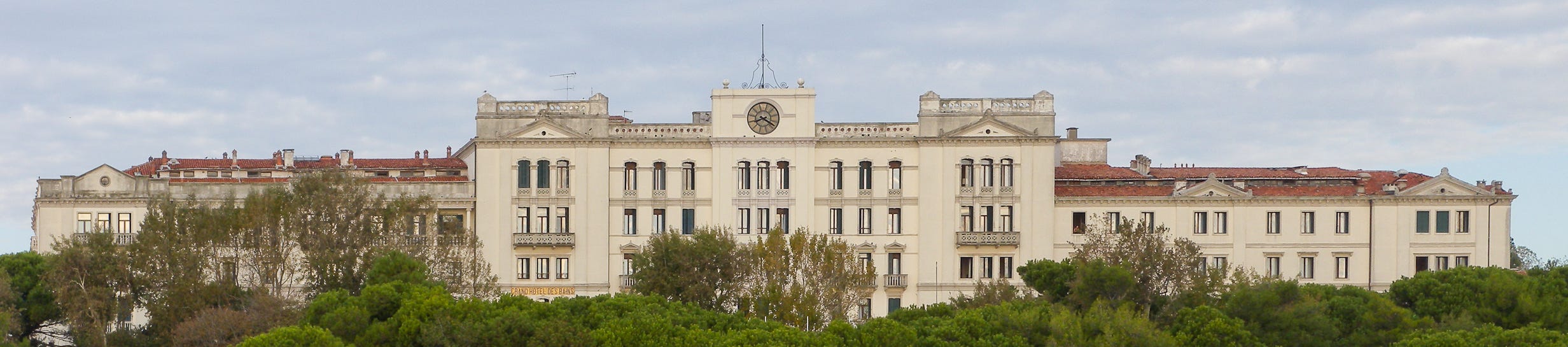
In 1908, the Lido gained its defining symbol in the form of the Hotel Excelsior, which was inaugurated on July 21st with a grand ceremony attended by thousands of guests and a large local crowd, even by the standards of the time.
Here, Volpi and his group developed a thoroughly modern concept: tourism as geopolitical infrastructure. Venice became an international salon, not in spite of modernity, but through it.
In the 1930s, this spectacular vision was further consolidated with the Biennale and the establishment of the Venice International Film Festival in 1932. This was a global media phenomenon even before the term ‘globalisation’ existed, propelling Venice into a competition that was not only cultural, but also one of image and influence.
Logistics completed the circle when, in 1935, the Lido airport (Giovanni Nicelli) connected the island to the new European geography of leisure.
The rhetoric of the Serenìsima: Volpi as a modern Doge
So far, we have spoken about works. However, Greater Venice could never have existed without a narrative that would make it ‘legitimate’ in the eyes of a city that lives by symbols.
In some accounts and cultural memory reconstructions, Volpi is depicted as someone who could use Venice as an operational myth. One emblematic episode recalled in connection with the staging of Baruffe Chiozzotte at the Biennale Theatre in Campo San Cosmo in July 1936 is the distribution of commemorative oselle (a commemorative coin/medallion that was once gifted by the Doge of the Venetian Republic) by Volpi.
In this recollection, he is presented as a sort of ‘doge’ of the newborn Venetian tourism industry.
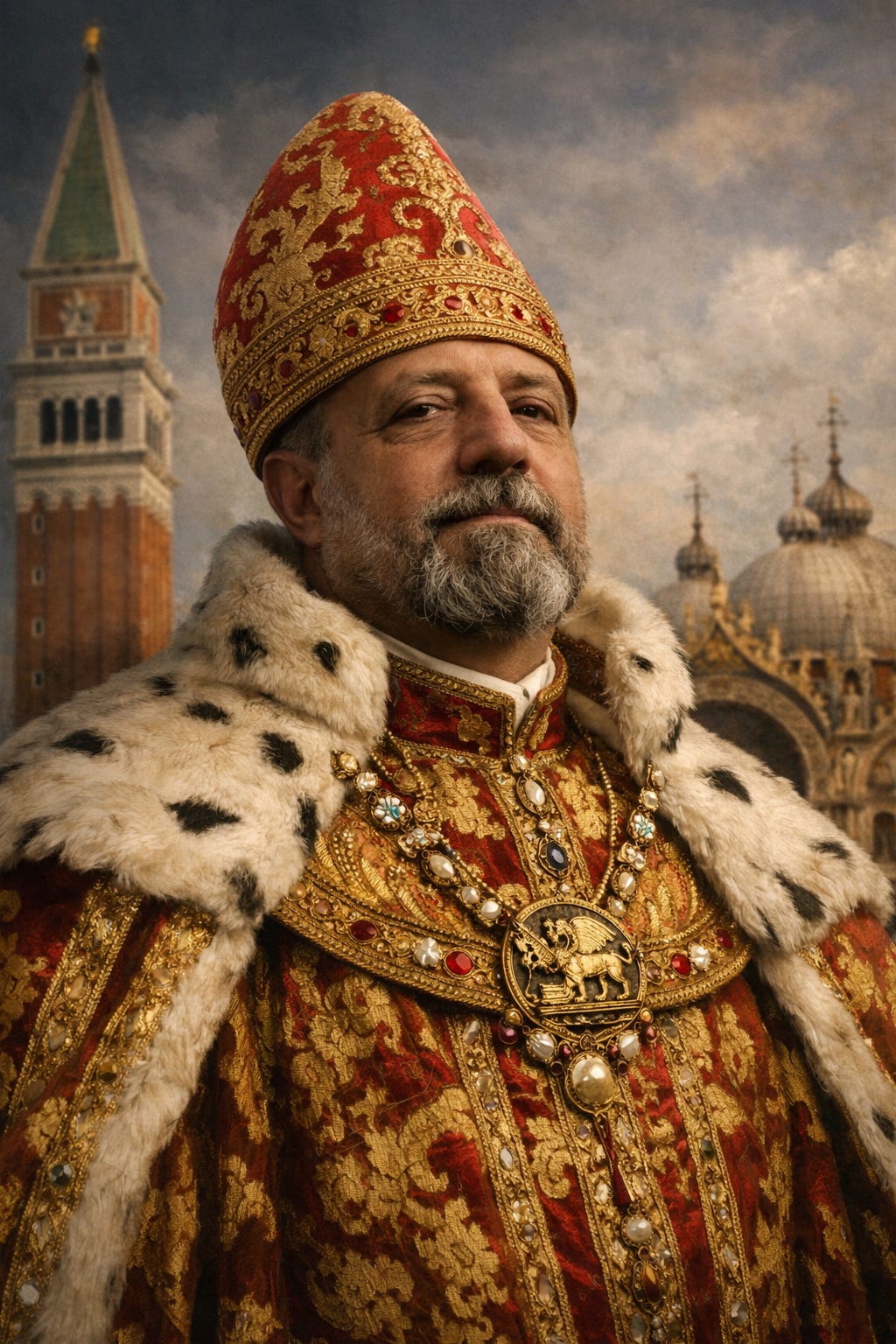
This gesture may be small, but the message it conveys is immense: to take a republican symbol and use it in the 20th century in a Venice that wants to be central again.
However, this rhetoric had a structural limitation: Fascism already had its official myth in the form of Rome. Romanità (being Roman) was explicitly embraced as a political myth and symbol by the regime. Within this framework, Venice narrating itself as a reborn Serenìsima risked emerging as a competing myth.
Mussolini himself reprimanded Volpi for publicly insisting on rhetoric that was ‘too Venetian’. The splendour of the Serenìsima still held enormous sway over the collective imagination of Venetians and could have clashed with the imperial Rome that Fascism sought to reinstate.
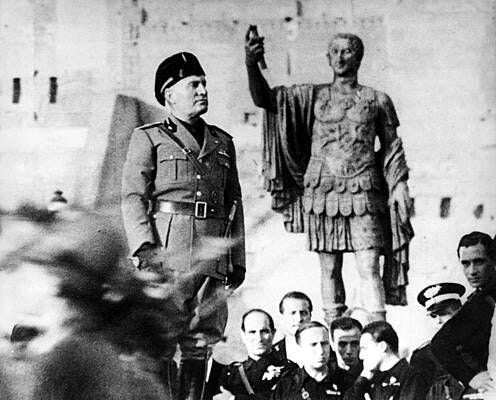
A detail that adds weight to this is that in 1939, Volpi gave a lecture in Zurich titled ‘Ancient and Modern Venice’, which was later published. During that lecture he emphasised the Serenìsima’s deep Italian character and its connection to the Roman spirit - an intelligent way to align Venetian greatness with the official Italianist narrative while maintaining an ‘Adriatic’ primacy.
XXI Century Improvements
Like the rest of the Italian Republic, Venice has experienced further demographic and economic expansion since World War II, but it has also suffered a profound crisis in its chemical sector, which is now recovering.
The Mo.S.E.
Without Volpi’s vision and resources, the city has lost some of its impetus for bold innovations. However, one infrastructure project fits perfectly into the early 20th century ‘futurist tradition’ of renewing the city and the lagoon: the MOSE project.
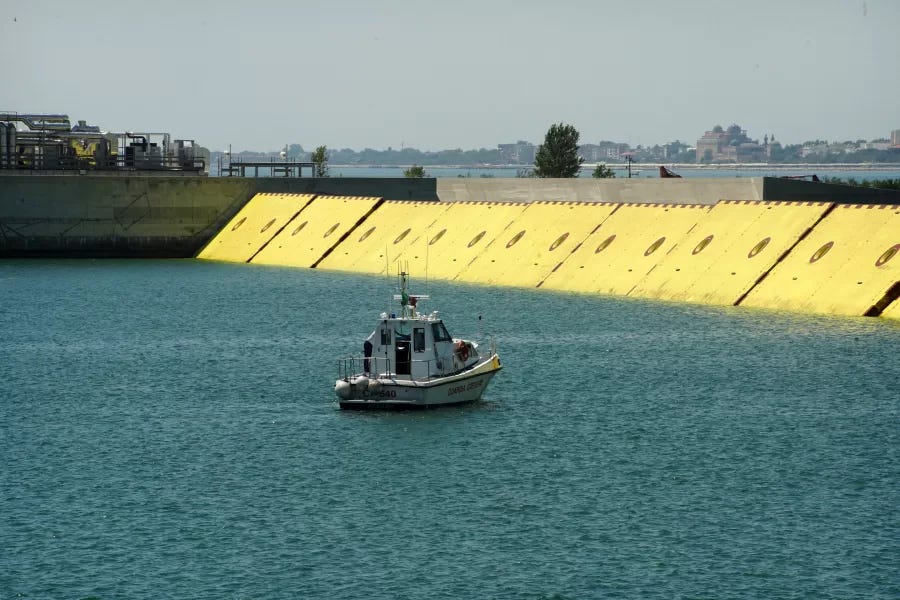
The MOSE (Experimental Electromechanical Module) system comprises mobile dams designed to protect Venice and its lagoon from exceptionally high water levels.
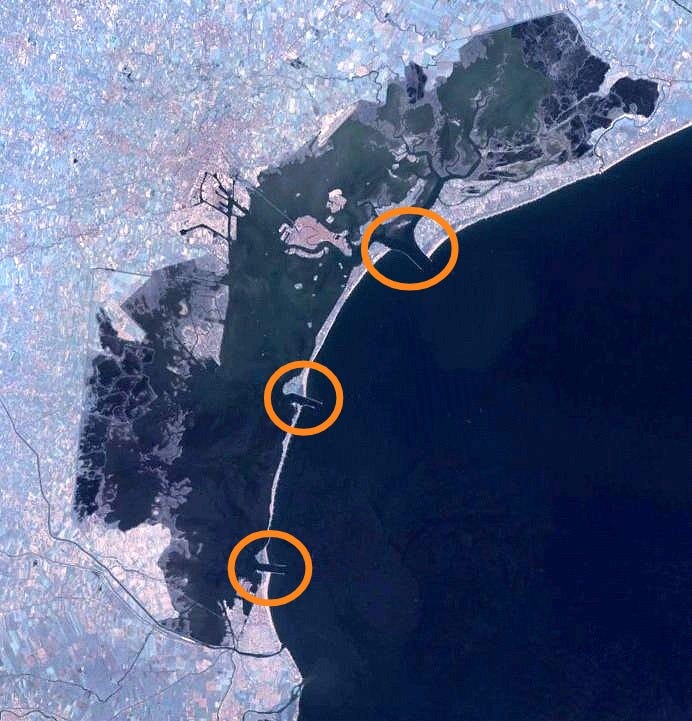
The infrastructure consists of 78 floodgates installed on the seabed at the three port entrances - Lido, Malamocco and Chioggia - which regulate the exchange between the lagoon and the Adriatic Sea. Under normal conditions, the floodgates remain invisible, lying on the seabed and filled with water. However, when tides of over 110 centimetres are forecast, the gates are filled with air, raised and used to temporarily isolate the lagoon from the sea. The project stems from the lessons learned following the dramatic flood of 4 November 1966, when Venice was submerged by a 194 cm tide, highlighting the inadequacy of local defence measures.
MOSE has been operational since 2020, but does not operate continuously; it is only activated during exceptional events, remaining raised for a few hours before allowing normal circulation of water to resume. While it has already prevented numerous serious floods in the historic centre, the system is not a permanent solution. It requires constant maintenance, incurs high costs, temporarily disrupts the balance of the lagoon, and has faced significant political and managerial challenges.
Nevertheless, it remains an essential tool for managing hydraulic risk and buying time in a period characterised by rising sea levels.
San Giuliano Park
San Giuliano Park is one of Mestre’s great contemporary urban landmarks. It began life as a reclamation and conversion project for an area on the edge of the lagoon that had long been associated with degradation and misuse. The concept emerged in the early 1990s through an international design competition and was incorporated into the Master Plan, which was approved in 1996.
This plan envisioned a much larger system spanning approximately 700 hectares of land, canals, and salt marshes. However, to date, the only fully accessible part is the first two lots, covering around 74 hectares, which opened in May 2004.
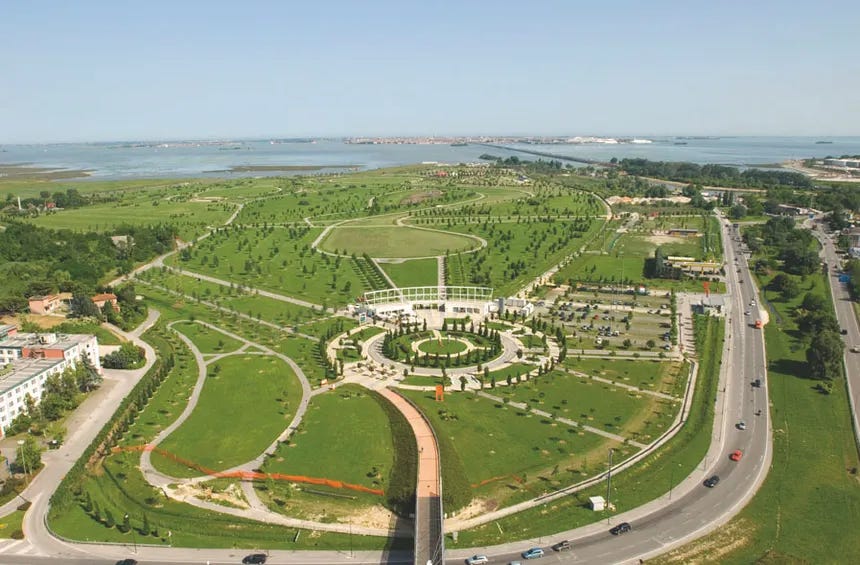
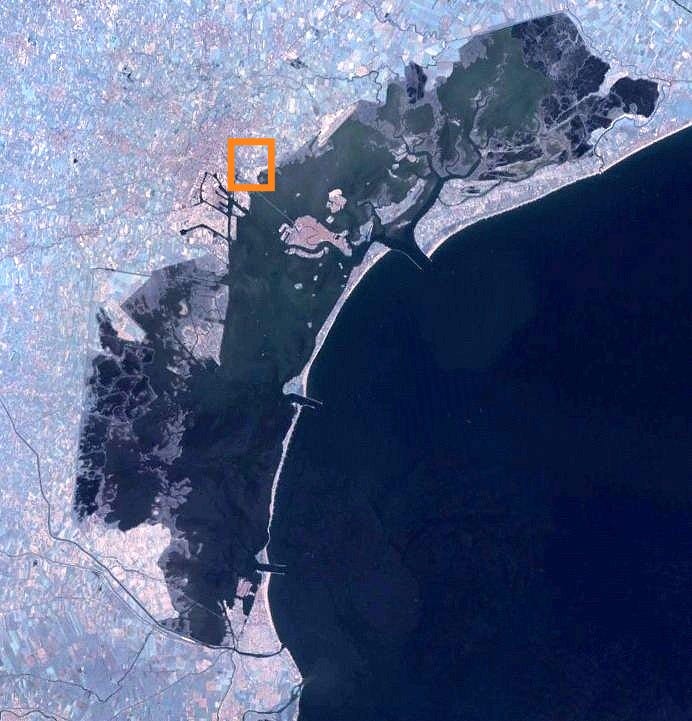
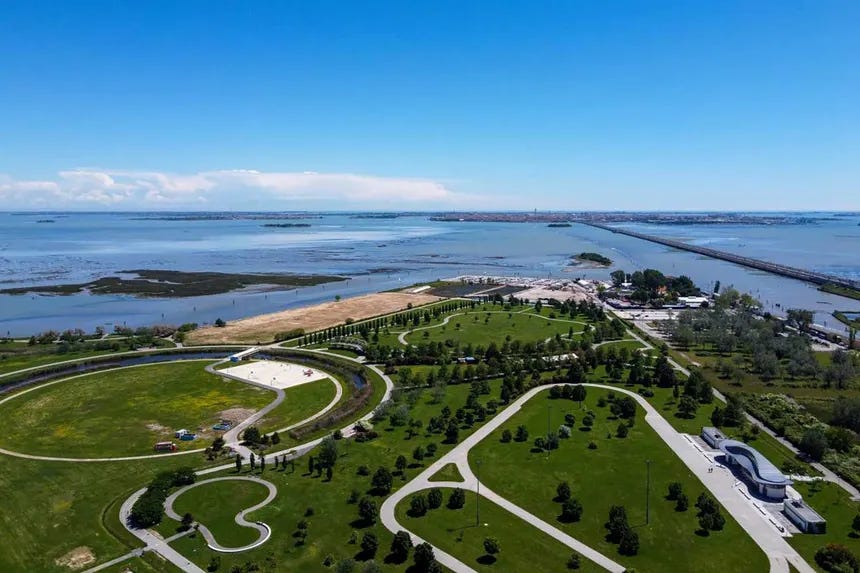
Due to its current size, rather than functioning as a nature park, it serves as an urban lung and green space for Mestre. It is used for long-distance running and cycling, and families and children enjoy the equipped areas. There are also spaces for informal sports activities, as well as events and gatherings that make use of the large lawns. The park mostly overlooks the lagoon, and on clear days, you can see the islands that make up historic Venice.
Six new hectares of parkland will soon be opened to connect it to a beach that once hosted a heliotherapy colony.
What future for Greater Venice?
Now that you know what the city really looks like and how it has changed over the last two centuries, let’s bring all these things together and imagine what the city will look like in the near future.
Porto Marghera is probably the most important legacy of Volpi’s Greater Venice vision, since it’s the engine room of the city’s economy on the mainland. Having rebranded from petrochemicals to logistics, heavy industry and ‘green’ retooling, it is home to Eni’s biorefinery (with an output of approximately 0.4 Mt/year) and Versalis’s 2025 recycled-plastics plant. However, it still falls within the SIN Venezia-Porto Marghera remediation regime. Meanwhile, port logistics are being upgraded, with new electric yard cranes set to be installed at PSA Venice–Vecon by late 2025.
The historic centre is better protected and less populated: MOSE has normalised barrier activations (28 in 2024), but depopulation and monoculture tourism persist. A 2025 report puts the number of residents below 48,000. Governance is becoming increasingly administrative: an access fee system was implemented again in 2025 for 54 non-consecutive days (18 April–27 July), with more dates scheduled for 2026, while UNESCO scrutiny continues and cruise ships remain prohibited from entering key basins under the 2021 ordinance.
The Lido, once described by Volpi as the ‘modern face’, is a redevelopment laboratory: the former Ospedale al Mare is being developed into a research campus near Nicelli airport, which will accommodate almost 1,000 staff. This project is being undertaken alongside venue renovations and shoreline defence works.
Tessera’s Sports Forest (Venice Airport)
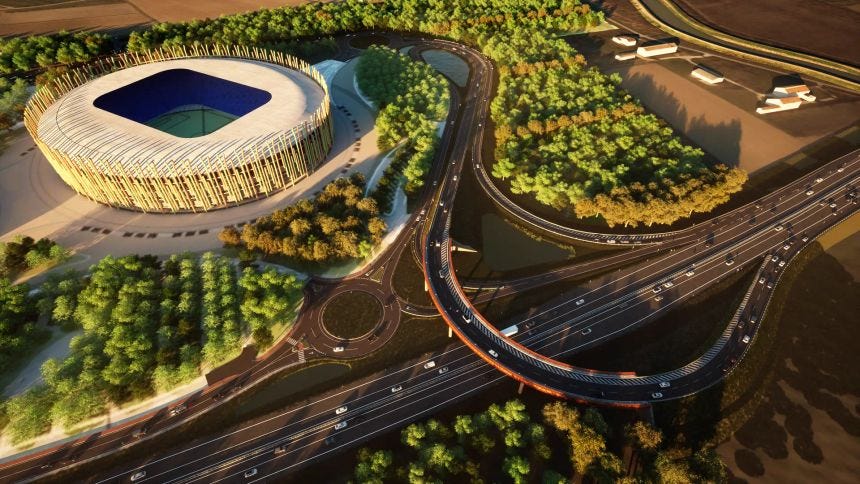
Construction of the Bosco dello Sport in Tessera has begun and will result in the creation of a new sports and multifunctional centre comprising the new Venezia FC stadium and an arena for major events, with completion scheduled for late 2026.
The project involves a total investment of over €300 million and began in 2024. It includes an extensive system of infrastructure and environmental works: the Bordignon-Fincantieri-Ranzato consortium was awarded the contract to build the stadium. The multi-purpose arena will be able to accommodate up to 10,000 people for sporting events and concerts.
A new 6.5-kilometre road network is planned to support the complex, with six roundabouts and six kilometres of cycle paths, as well as dedicated urbanisation works. A central component of the project is the Sport’s Forest, a green area which will cover approximately 79 hectares and feature the planting of around 100,000 trees.
The Marco Polo Airport and the main Venice-Trieste trainline link is scheduled for completion in 2025. a future stop dedicated to Sport’s Forest and the stadium has been planned, but not scheduled yet.
New Venice Mestre train station
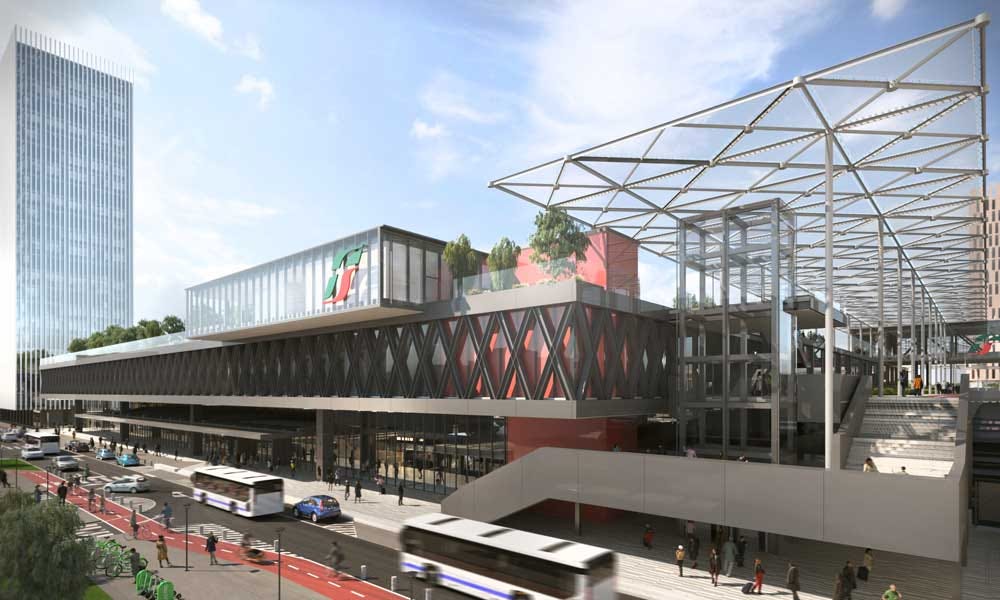
The project for the new Venice Mestre station, promoted by RFI-FS Group, aims to transform the station into a true urban and infrastructural hub. As well as improving railway functionality, the project will reconnect the currently separate areas of Mestre and Marghera. The project involves the construction of a large cycle and pedestrian bridge over the tracks, designed to serve as both a continuous urban link and a new internal axis within the station.
The passenger building will also be redeveloped and redesigned across two levels. The lower floor will retain its traditional railway functions, while the upper floor will house new services, shops, and catering facilities, as well as green spaces and greater openness towards the city. The project aims to strengthen intermodality by making connections between trains, urban mobility, bicycles and pedestrian routes more intuitive and seamless, in line with the model of a contemporary metropolitan station. The total investment is around €100 million. The project was officially presented in 2024 and began its implementation process in 2025 with the first contracts being awarded, as part of a broader strategy for the infrastructural and urban redevelopment of the Mestre area.
A Venetian Megalopolis?
Within 10-15 years, it is reasonable to assume that Mestre and Padua could effectively become a single urban system. The most likely form of integration will be infrastructural, with increasingly dense transport along the rail and road networks, more efficient interchanges and coordinated services, such as logistics, healthcare, universities and industrial centres. This will lead to a growth in daily commuter numbers, making it normal to live in one city and work in the other.
However, the scenario of total conurbation within the same timeframe is more remote: the two centres are not separated by semi-empty countryside, but by a mosaic of municipalities, industrial zones, agricultural areas and environmental constraints. The Riviera del Brenta is one example, with its parks and historic villas.
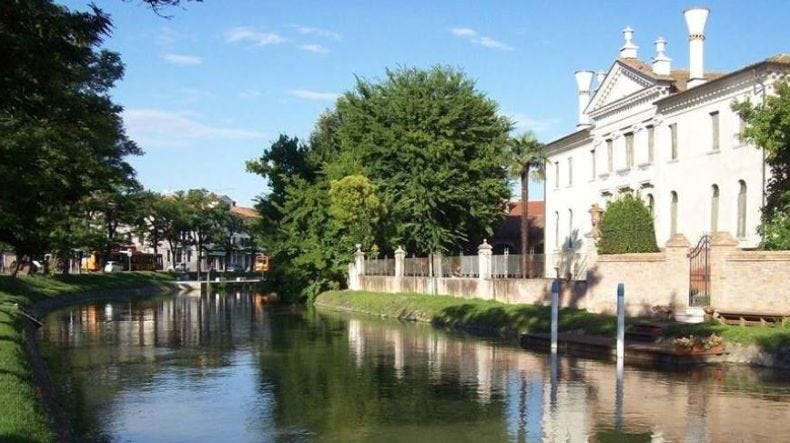
Growth will continue to be discontinuous and polycentric, in line with the ‘city region’ urban vision that has characterised the core of Venetia for millennia. There will be not a single metropolis that centralises everything, but rather a myriad of medium-sized centres.
We have not dealt with the islands that make up the historical agglomeration that would later become known as Venice (Rialto, Malamocco, Torcello, Murano and Burano), because they are well known to the general public, who encounter them and their buildings and monuments when visiting. Even the city’s most important cultural events, such as the Biennale and the Internazional film festival, have been excluded so as not to be too distracting, and because they deserve their own separate discussion.
Here, we wanted to show that alongside the Venice that has stood still in time and is suffering as a result, there is a Venice that is growing and evolving. It is holding its own against the industrial realities of the Veneto region and is often driving them forward with its powerful soft power and innovative hubs, which we will explore in more detail in the future.
Sources
“Giuseppe Volpi: l’ultimo doge”. RAI documentary.
“La Grande Venezia di Giuseppe Volpi”. Ateneo Veneto’s Conference excerpts.
Treccani: “The key men: the Venetian group, Volpi, Cini and the others”; historical entries on Venice/port; DBI on Volpi.
University of Padua (Il Bo Live) and Treccani on the 1926 annexation and the Venice–Mestre framework.
Port and Vittorio Emanuele III Canal: Treccani + technical PDF contribution (GNRAC).
Marghera “garden city” planning (Emmer): Municipality of Venice + Touring Club.
SADE and Volpi profile: Ministry of Culture “Companies” record + context sources.
1939 lecture “Ancient and Modern Venice”: references in studies/papers and academic repositories.
Venice Film Festival (Biennale): institutional history.